•
Drizz raises $2.7M in seed funding •
•
Featured on Forbes
•
Drizz raises $2.7M in seed funding •
•
Featured on Forbes


Selenium has run browser automation since Jason Huggins built the first version in 2004. Two decades later it still works, and that's part of the problem.
The architecture is old. You manage your own waits and drivers, set up reporting separately, and patch StaleElementReferenceException by hand while newer tools handle all of it for you.
Selenium got the fundamentals right and still has the biggest community in testing. The reasons to leave are about the day-to-day, and Selenium 4's relative locators and W3C WebDriver support didn't change that.
You handle your own waits and drivers, so tests go flaky and the dependency chain is yours when it breaks. A r/Everything_QA thread argues that maintenance overhead alone makes Selenium a questionable pick for teams without dedicated QA engineers, which most startups don't have.
It's the first thing converts mention. A commenter in r/learnpython pointed to Playwright's built-in waits, browser coverage, and recording as the upgrade.
The pain people forget until it bites them is mobile. WebDriver was built for browsers, so the moment your product has a native app you're adding Appium and its tradeoffs on top.
Teams who've been there say the same thing. One r/Everything_QA commenter's take: if you stay on Selenium partly because you also need Appium for mobile, don't run it raw, wrap it in a framework.
| Tool | What it tests | Pricing | Best for |
|---|---|---|---|
| Playwright | Web (Chromium, Firefox, WebKit) | Free, open source | Modern web teams that want speed and reliability |
| Cypress | Web (Chromium-based, Firefox, WebKit) | Free runner; Cloud from ~$67/mo | Front-end devs who debug in the browser |
| Drizz | Native iOS and Android apps | Free trial; $49/mo | Teams testing native mobile, not web |
| WebdriverIO | Web and mobile (via Appium) | Free, open source | Teams staying on the WebDriver model |
| Puppeteer | Web (Chrome, Chromium, Firefox) | Free, open source | Chrome-only automation and scraping |
| TestCafe | Web (all major browsers) | Free framework; Studio paid | Teams that want less WebDriver friction |
| Katalon | Web, API, mobile, desktop | Free tier; Premium and Enterprise paid | Low-code teams that want a recorder and UI |
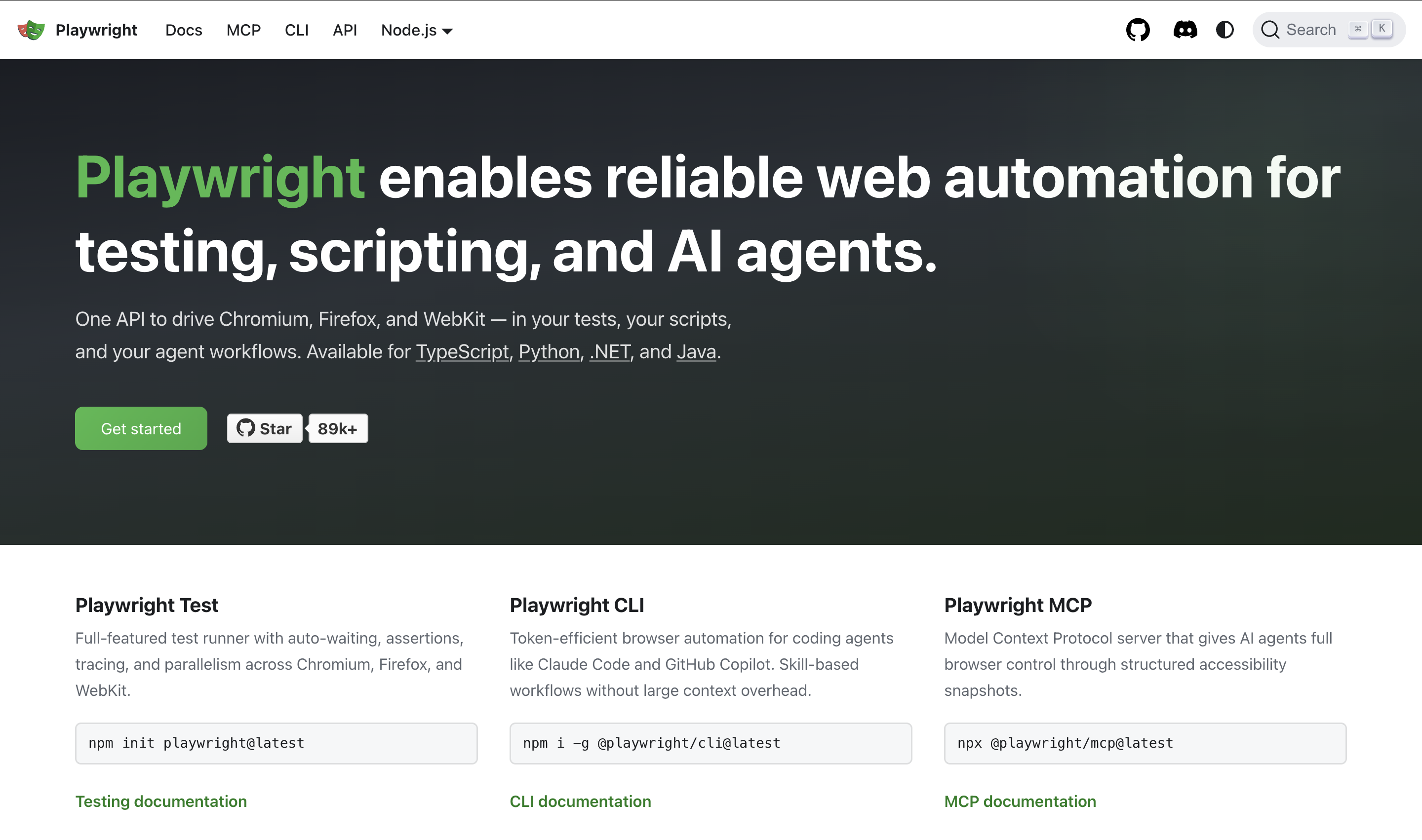
Playwright came out of Microsoft, built by the team behind Puppeteer at Google. It's the tool most people mean when they say "the modern successor to Selenium."
Adoption backs that up. In the State of JS 2024 survey, Playwright had the highest retention of any end-to-end testing tool at about 94%, and one r/learnpython commenter said they'd replaced most of their Selenium with it.
The headline feature is auto-waiting. Clicks and assertions wait for elements to be actionable on their own, which kills a whole category of flaky tests that Selenium leaves to you.
One API drives Chromium, Firefox, and WebKit, so Safari coverage comes without a separate setup. It runs headless or headful, supports multiple browser contexts for parallel isolated sessions, and ships a trace viewer that makes failures readable.
There's more under the hood than a Selenium swap. It records tests with codegen, stubs and inspects network traffic, and tests API endpoints in the same run, and large suites shard across machines in CI without standing up a separate grid.
Pros: Free and open source, fast execution, auto-waiting, true cross-browser, strong TypeScript support.
Cons: Younger ecosystem than Selenium, and the API surface is large enough to take a week or two to learn well.
Pricing: Free, Apache 2.0 license.
Best for: Web teams starting fresh or migrating off Selenium who want the strongest all-round option.
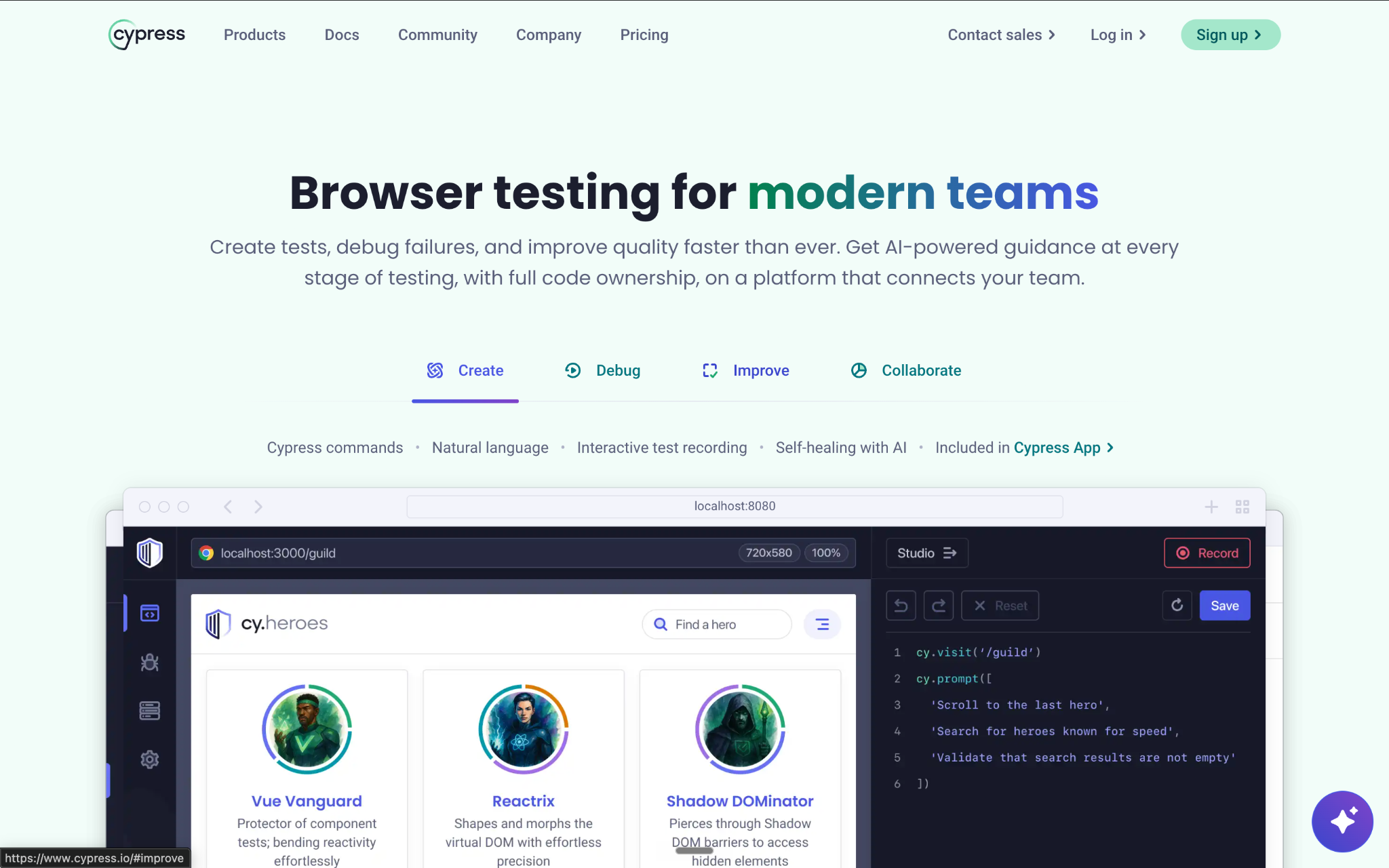
Cypress runs inside browser instead of driving it from outside over WebDriver. That architecture is why its debugging feels different.
You get time travel snapshots, automatic reloads, and readable stack traces through Chrome DevTools. Front end developers tend to like it because it fits how they already work.
It still has a big following. Testers in r/QualityAssurance regularly name Cypress among tools they actually reach for.
The tradeoff is scope. Cypress is built for front end and component testing, and its multi tab and cross origin story is weaker than Playwright's.
It also does component testing for React, Vue, and Angular, and cy.intercept lets you stub network calls without a backend. The cost teams hit at scale is CI, since parallelization and dashboard run through paid Cypress Cloud.
Pros: Excellent debugging, automatic waiting, clean developer experience, generous free runner.
Cons: Weaker multi tab handling, browser support narrower than Playwright historically, parallelization sits behind Cypress Cloud.
Pricing: Open source runner is free. Cypress Cloud starts around $67 a month for Team tier, with Business higher and Enterprise custom.
Best for: Front end teams who want smoothest in browser debugging.
Here's honest pivot. Playwright and Cypress are better Selenium replacements for web, and if web is your whole problem, pick one of those.
But a lot of teams searching for a Selenium alternative also ship a native iOS or Android app. Selenium can't test it, Playwright can't test it, and usual answer is to add Appium, which inherits same selector fragility and manual wait pain that pushed you off Selenium in first place.
Drizz takes a different route for native mobile. Instead of querying a selector or an accessibility ID, its Vision AI reads rendered screen way a person looking at phone would, then acts on what's actually visible.
Tests are written in plain English. A login flow that runs 150 to 180 lines of Java or Python in Appium is 7 to 8 readable steps in Drizz, and same test runs on both Android and iOS without a separate suite.
That changes numbers teams care about. Where an engineer on Appium might author around 15 tests a month, Drizz teams report closer to 200, and flakiness drops from roughly 15% to about 5% because there are no selectors to break when UI shifts.
When layout does change, Drizz self heals step instead of failing run, so you're not triaging a red pipeline that's actually a false alarm. Tests run on real devices, not just emulators, which catches device specific rendering bugs that emulators miss.
On enterprise side it holds up. Drizz is SOC 2 Type II certified, runs on prem or in your VPC, and supports SSO and SAML, RBAC, audit logs, and encrypted APK storage.
Pros: No selectors, plain English authoring, one suite for Android and iOS, self healing, real device runs, enterprise controls.
Cons: Built for native mobile, so it isn't a web Selenium replacement. The web tool is on roadmap, not shipped.
Pricing: Free trial with 300 Drizz Tokens (about 30 test runs), then Solo at $49/month for 5,000 tokens (about 500 runs). For larger teams and enterprises, the Team plan is custom priced. See Drizz pricing.
Best for: Teams whose real testing problem is a native mobile app, especially if they're tired of selector maintenance.
If that's your situation, you can download Drizz desktop app and write your first mobile test in plain English in a few minutes.
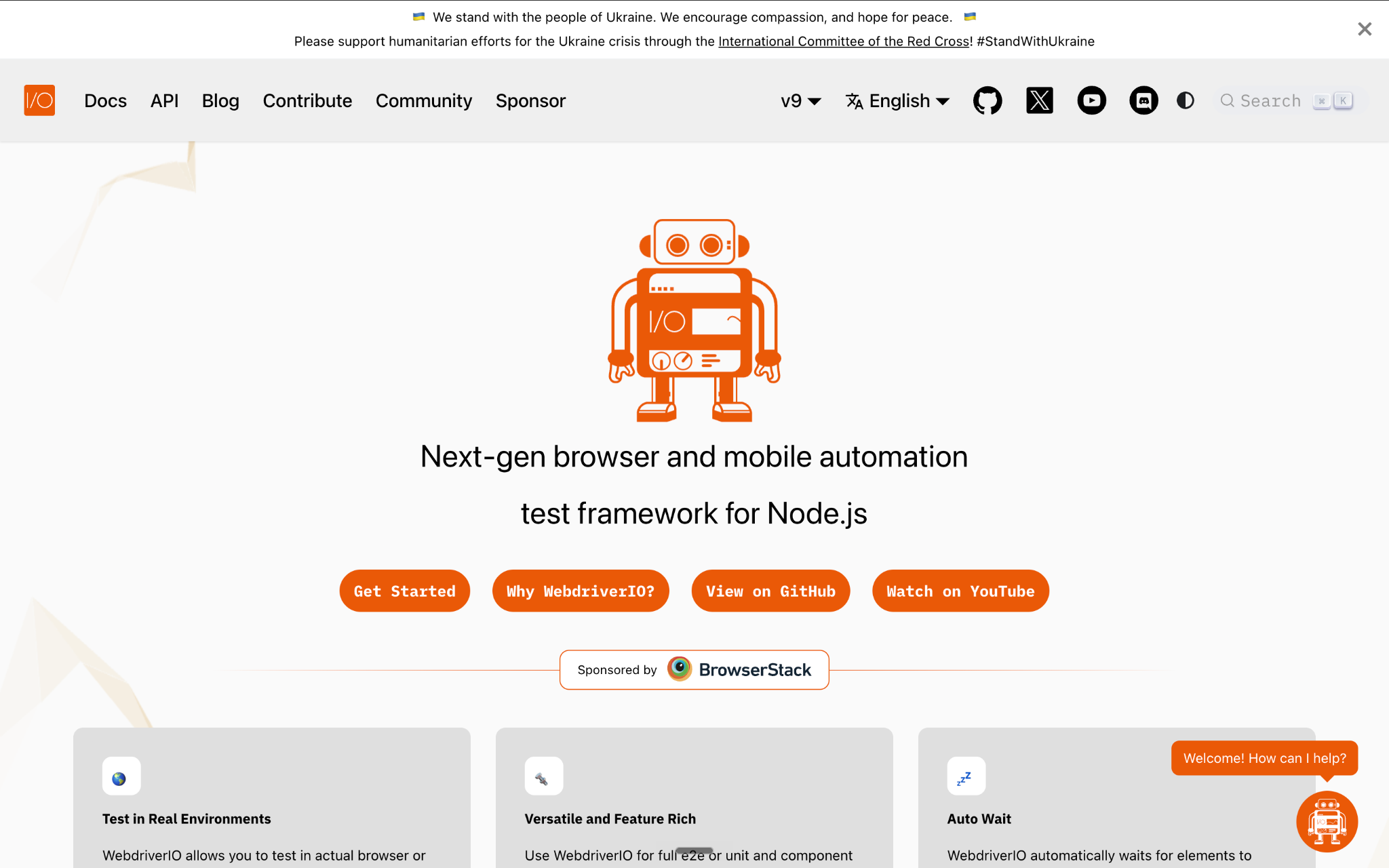
WebdriverIO is move for teams that like WebDriver approach but want a cleaner build around it. It speaks both WebDriver protocol and Chrome DevTools Protocol, so you can run standards based sessions or low level browser control from same suite.
It handles web and, through Appium, mobile, which is why teams with mixed needs reach for it. The mobile half is also part teams most often later migrate off Appium, since selector fragility doesn't go away just because wrapper is nicer.
Pros: Free and open source, large plugin ecosystem, web plus mobile through Appium, active community.
Cons: Mobile still means running Appium underneath, so you keep that complexity and its flakiness.
Pricing: Free, MIT license. You supply or pay for your own grid or device cloud.
Best for: Teams committed to WebDriver model who want a better built version of it.
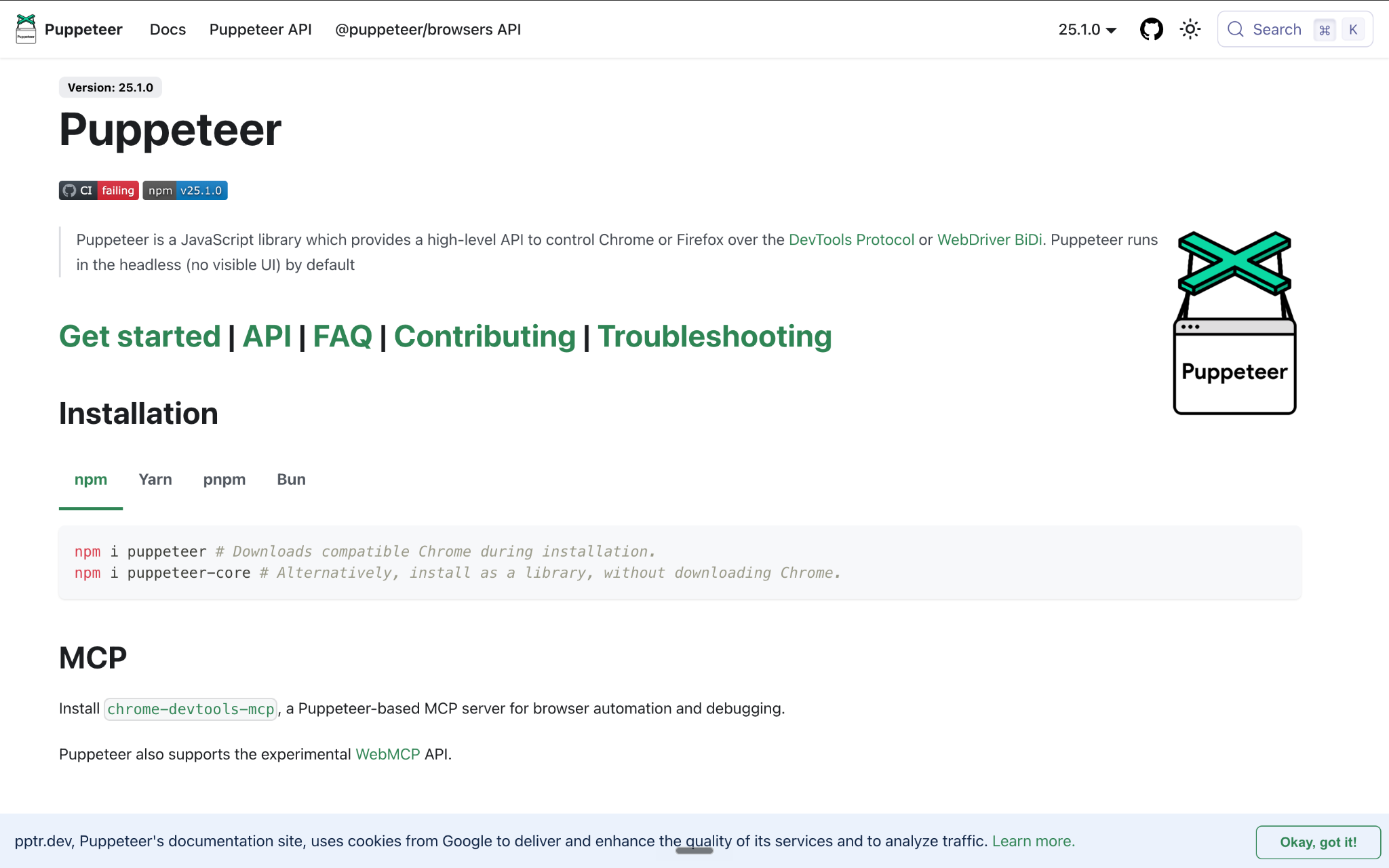
Puppeteer is a Node library from Google for driving Chrome and Chromium. It's narrow on purpose.
If your automation lives in Chrome, scraping, PDF generation, or single browser testing, it's fast and simple. Firefox support exists now, but cross browser was never its point.
It talks straight to Chrome over DevTools Protocol, which is why so many other tools and scrapers are built on top of it. For testing it sits lower than Playwright, so you assemble more of harness yourself.
Pros: Lightweight, fast, excellent Chrome control, simple API.
Cons: Built around Chromium, weaker cross browser story, more a browser control library than a full test framework.
Pricing: Free, Apache 2.0 license.
Best for: Chrome only automation and teams that want a thin, fast library.
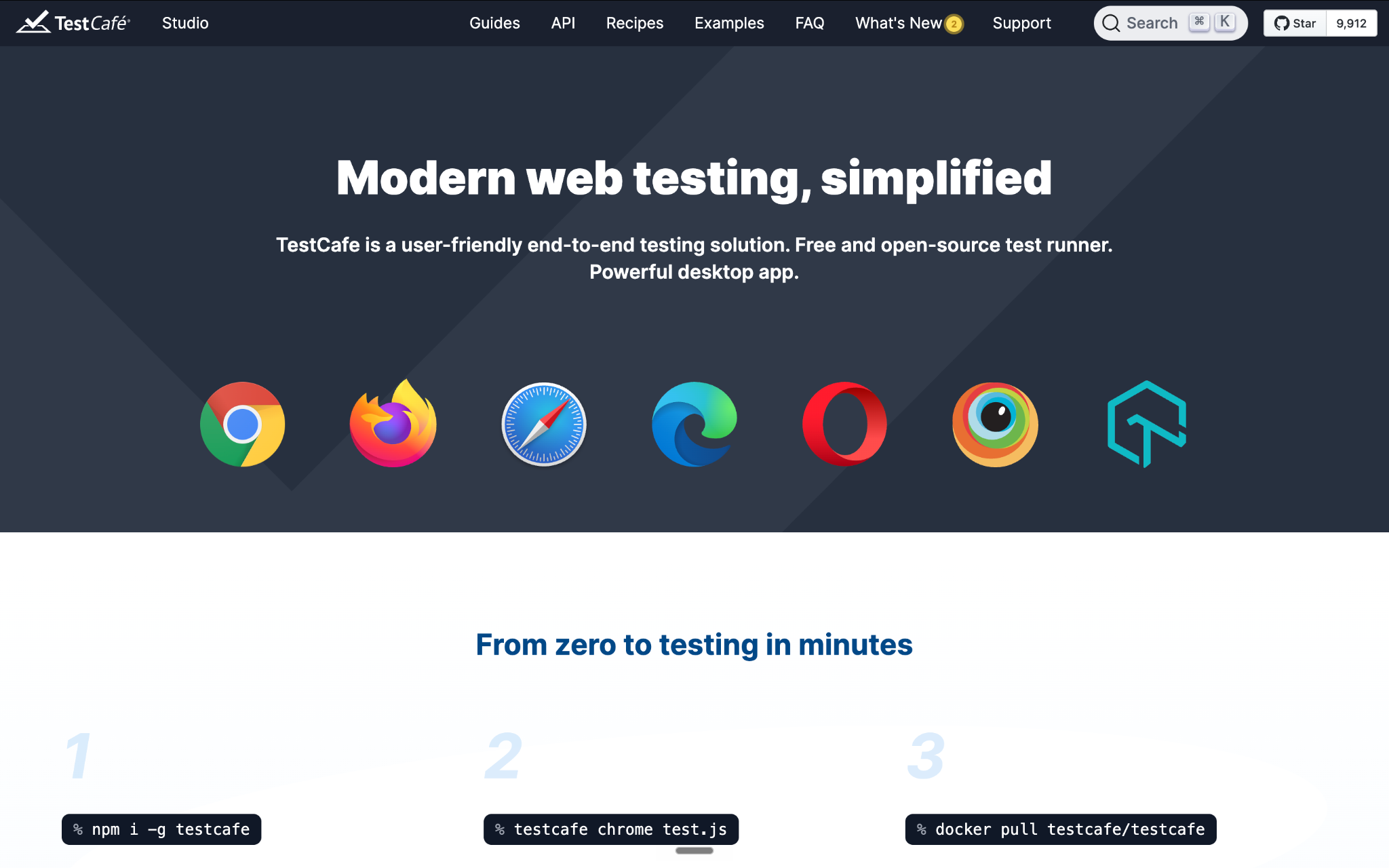
TestCafe skips WebDriver entirely. It uses a proxy that injects automation scripts into page, so there are no browser drivers to manage.
It auto waits, runs in every major browser headless or headful, and open source framework is free under MIT. DevExpress also sells TestCafe Studio, a desktop IDE with a visual recorder for teams that want codeless authoring.
Because it runs through a URL rewriting proxy instead of WebDriver, remote device testing works without extra plugins. That same proxy is what can trip up some single sign on flows and strict content security setups.
Pros: No WebDriver or driver management, built in waiting, free open source core, optional visual IDE.
Cons: Smaller community than Playwright or Cypress, proxy approach can struggle with some auth and complex network setups.
Pricing: Open source TestCafe is free. TestCafe Studio is a paid annual subscription.
Best for: Teams that want to drop WebDriver and don't need biggest ecosystem.
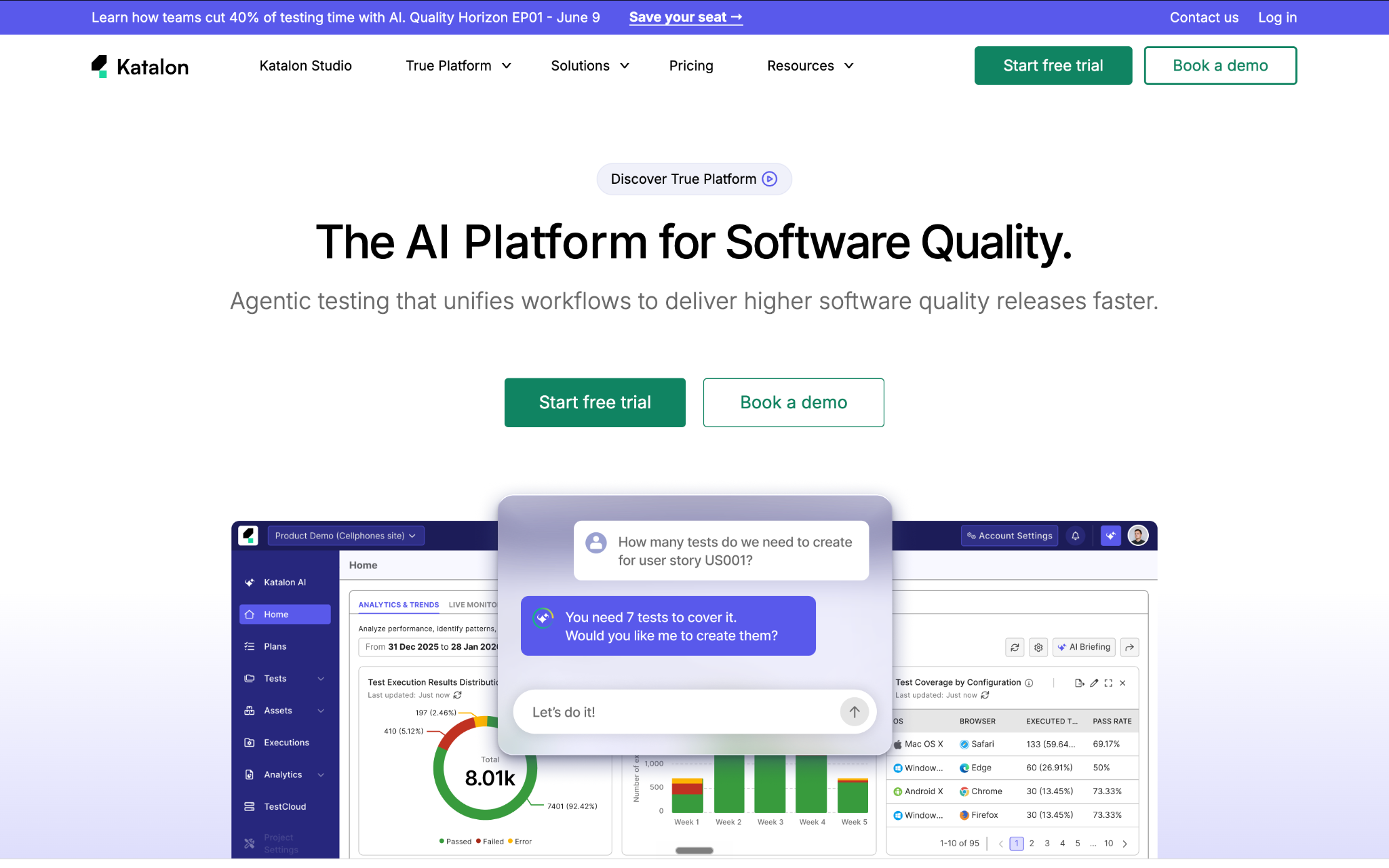
Katalon is a platform rather than a library. It wraps Selenium and Appium under a UI with a recorder, so testers who don't want to write much code can still build suites.
It covers web, API, mobile, and desktop in one tool. The catch is pricing model, where per user and module costs can climb as you scale past free tier.
Under recorder it generates Groovy, so power users can drop into code when UI hits a wall. CI runs use separate Katalon Runtime Engine, which is licensed apart from authoring seats and surprises teams at budget time.
Pros: Low code recorder, broad coverage in one tool, friendly to non developers, free tier to start.
Cons: Built on Selenium and Appium underneath, so it carries their limits. Paid tiers get expensive at scale.
Pricing: Free tier, plus paid Premium and Enterprise tiers quoted per license.
Best for: Mixed skill teams that want a UI and a recorder over a code first framework.
It mostly comes down to what you're actually testing. If it's a web app and your team writes code, Playwright is safest bet in 2026, with Cypress close behind if your people live in browser and care most about debugging.
If you want to keep WebDriver mental model, WebdriverIO is cleaner version of it. If you only touch Chrome, Puppeteer is lighter than all of them.
TestCafe fits teams that want to drop driver management, and Katalon fits teams that want a recorder and a UI instead of code.
The one that trips people up is mobile. None of web tools test a native app, and bolting Appium onto WebdriverIO or Katalon just moves selector problem somewhere else.
So if your real pain is a native iOS or Android app, web Selenium debate isn't your debate. That's case where trying Drizz free on a real device makes more sense than picking another web framework you'll still have to pair with Appium.
Selenium isn't going away, and as one r/QualityAssurance commenter put it, for legacy stuff it's probably still default. But if you're starting fresh on web, Playwright or Cypress will save you maintenance tax, and if your problem is a native app, you can spin up Drizz and watch a full mobile flow run without a single selector.
For web testing, Playwright is strongest all round Selenium alternative because of its auto waiting, speed, and cross browser support. For native mobile apps, Drizz is better fit since Selenium and other web tools can't test them.
For most modern web teams, yes. Playwright handles waiting automatically, runs faster, and needs less driver setup, though Selenium still wins on community size and legacy browser coverage.
Selenium tests mobile web in a browser but not native or hybrid apps. For native mobile you need a separate tool like Appium, or a mobile native platform like Drizz.
Several are fully free and open source, including Playwright, Puppeteer, WebdriverIO, and TestCafe framework. Cypress and Katalon offer free tiers, and Drizz a free trial, with paid plans for teams that need cloud features or scale.
Appium is WebDriver style answer, but it carries same selector fragility and manual waits. Drizz replaces that model for native mobile by reading screen with Vision AI and running plain English tests on real devices.
For web, tools like Playwright and WebdriverIO map closely enough that migration is mostly rewriting waits and selectors. Moving native mobile off an Appium setup is usually a bigger rethink, which is why plain English authoring shortens it.
Related Content:
Best Appium alternatives | Playwright vs Selenium | Best mobile test automation tools | Book a demo





©Drizz 2026 • All Rights Reserved