Mocks vs vendor sandboxes vs twins for testing AI agents
Three ways to give an agent something to act on in test. What each one is, where it breaks, and how most teams combine them.
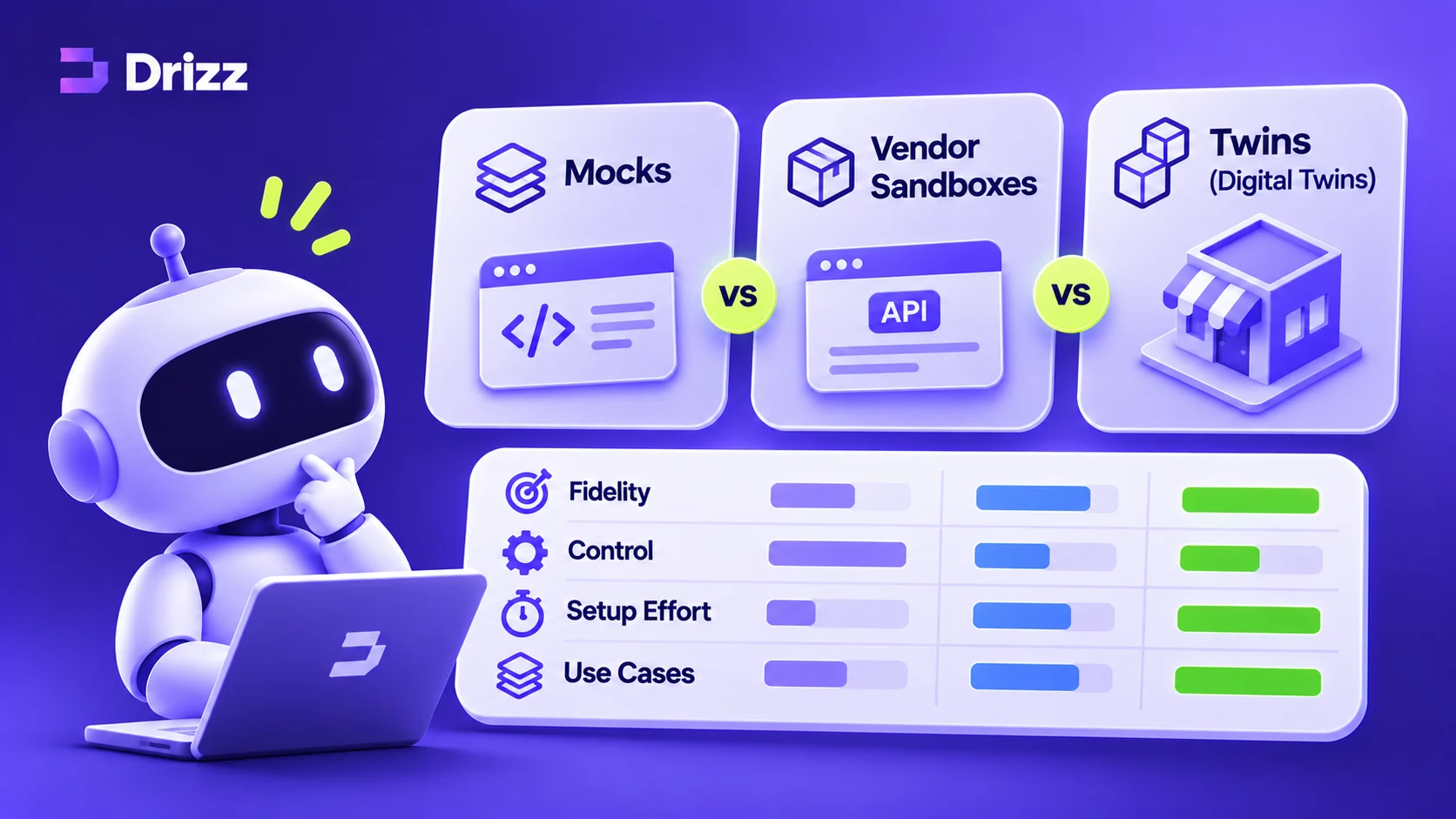
Short answer. Mocks are fast but hold no state or rules, so multi-step agent flows pass in test and fail in production. Vendor sandboxes are real but shared, rate-limited and hard to reset. Twins behave like the real product, stay private to your team and reset in one call. Most teams use all three, at different layers.
Three options, defined
A mock is code that stands in for an API and returns canned responses. It is fast, free and deterministic, and it knows nothing about the product it imitates.
A vendor sandbox is a test instance of the real product, such as a Salesforce sandbox or a developer org. It behaves like the real thing because it is the real thing, with the constraints that come with that.
A twin is a stateful replica of a real tool built for testing agents. It serves the same API and MCP tools, enforces the same validation, auth, rate limits and business logic, keeps state across calls and users, and resets to a known starting point in one call.
Side by side
| Area | Mocks | Vendor sandboxes | Twins |
|---|---|---|---|
| State across steps | None | Yes | Yes |
| Real validation and errors | Whatever you hard-code | Yes | The vendor’s own |
| Business logic, permissions | No | Yes | Yes |
| Seeded with your data | Hand-written fixtures | Hard, often impossible | Yours, a customer’s, or a curated world |
| Reset between runs | Nothing to reset | Manual, or on a refresh schedule | One call |
| Failure conditions on demand | Hand-coded | Hard to trigger | Built in |
| Licenses | None | Often a paid org per connector | None per product |
| Rate limits | None | Shared and limited | Private, no shared quota |
| Parallel runs | Unlimited, but not real | Limited | As many as you need |
| Upkeep | You track the API | Changes when the vendor’s does | Kept in step with the vendor |
When a mock is the right tool
Use mocks for unit tests of the code around your agent: tool wrappers, argument formatting, response parsing. They are the fastest feedback you can get, and there is no reason to spin up anything heavier for a parser.
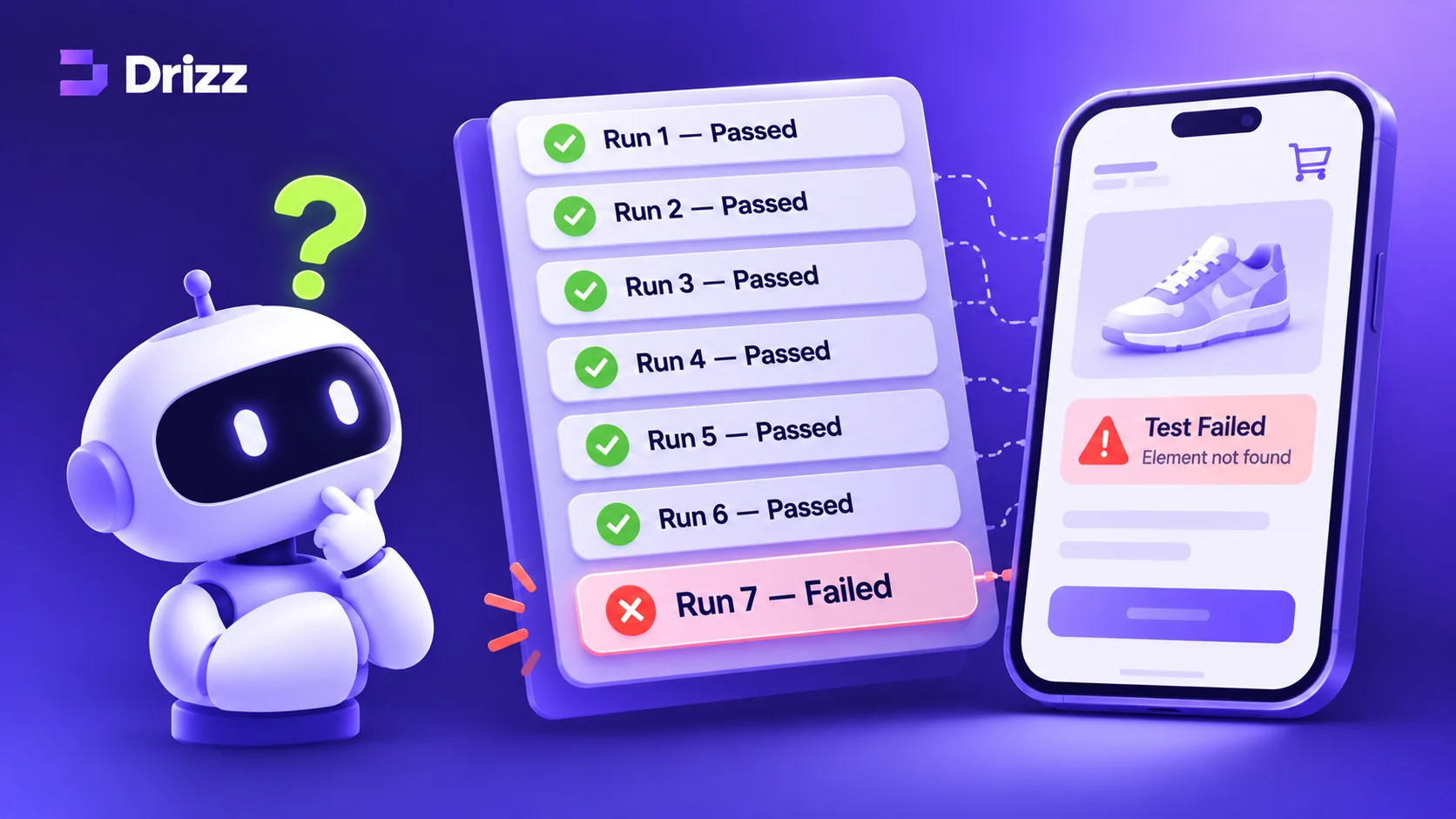
Where they fail is agent behaviour. A mock won’t reject a missing field, expire a token, refuse a user without permission, or show a later step what an earlier one created. So an agent can pass every mocked test and still fail on its first real task.
When a vendor sandbox is the right tool
Use the vendor’s sandbox for final integration checks: real OAuth flows, admin configuration, and a smoke test before release. Nothing replaces the real product for confirming that the real product works.
For day-to-day agent testing, sandboxes are awkward. They are shared across a team, rate-limited, hard to seed with the exact data a scenario needs, and slow or impossible to return to a known state between runs. Many vendors don’t offer one at all.
When a twin is the right tool
Use twins wherever the agent’s behaviour is what you are testing: multi-step flows across several tools, failure conditions set on purpose, the same scenario run many times from the same starting state, and suites that run in CI on every change. Because each team’s twin is private and resets in one call, parallel runs don’t collide and don’t wait on anyone else’s quota.
A good twin states its coverage: what behaves like the real product, what is approximated, and what it refuses. When an agent calls something the twin doesn’t support, it should refuse with a reason rather than return a plausible answer.
A practical testing stack
- Mocks for unit tests of tool code.
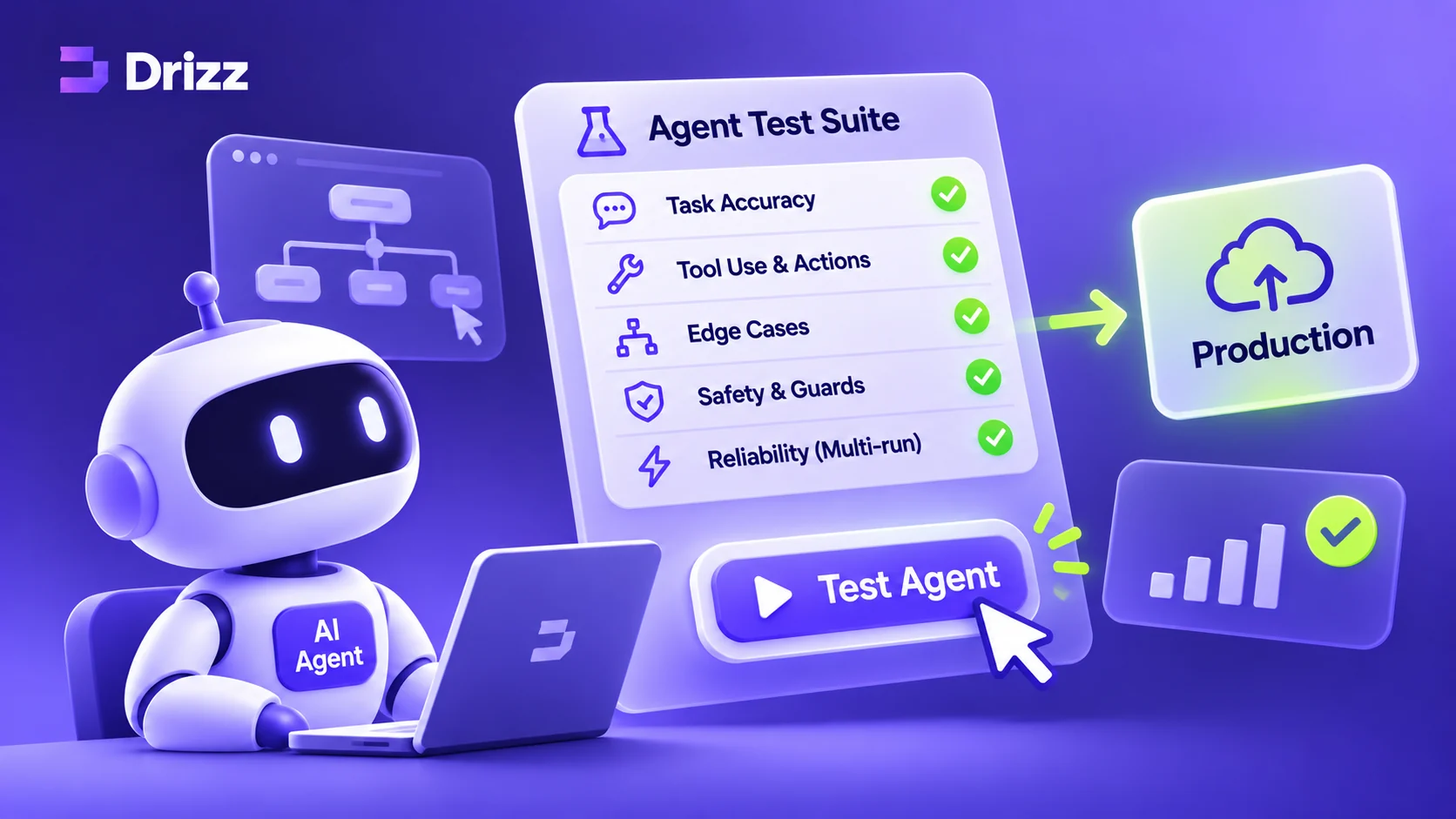
- Twins for agent behaviour: hard flows, conditions, repeated runs, CI.
- A vendor sandbox or staging for a final smoke test before release.
For how to design the scenarios themselves, see How to test AI agents before production.
FAQ
Is a twin just a better mock?
No. A mock returns responses you wrote. A twin holds state and enforces the real product’s rules, so it can show your agent failures you didn’t anticipate.
Why not just use the vendor’s sandbox?
For a final check, you should. For hundreds of repeatable runs with failure conditions, sandboxes are shared, rate-limited, hard to seed and hard to reset between runs.
Does a twin replace staging?
No. Twins make agent testing repeatable before release. A staging or sandbox check against the real product still belongs at the end.
+ Ask AI about this post
Get a summary of this article in your favourite assistant.
ChatGPT and Gemini open with a ready-made prompt copied to paste in. Perplexity opens with this article loaded.
Save this post as a clean, printable PDF.
DRIZZ LABS