•
Drizz raises $2.7M in seed funding •
Featured on Forbes
Products
Solutions
view All Solution
Resources
Schedule a demo
view all solution
Download For Mac
Crisis detection must trigger 100% of the time. Not 99%. Here are the 7 mental health app features where a bug has clinical consequences, not just UX.
Your app got redesigned. 35 of 40 Appium tests broke. The app works fine. Here's what breaks across 5 UI change types and what it costs annually.
A patient at a pharmacy with no WiFi can't show their prescription. Offline mode in health apps isn't convenience. It's patient safety. Here's how to test it.
Appium says "element not found." Drizz says why. 5 side-by-side failure scenarios showing the difference between debugging for 30 minutes vs 30 seconds.
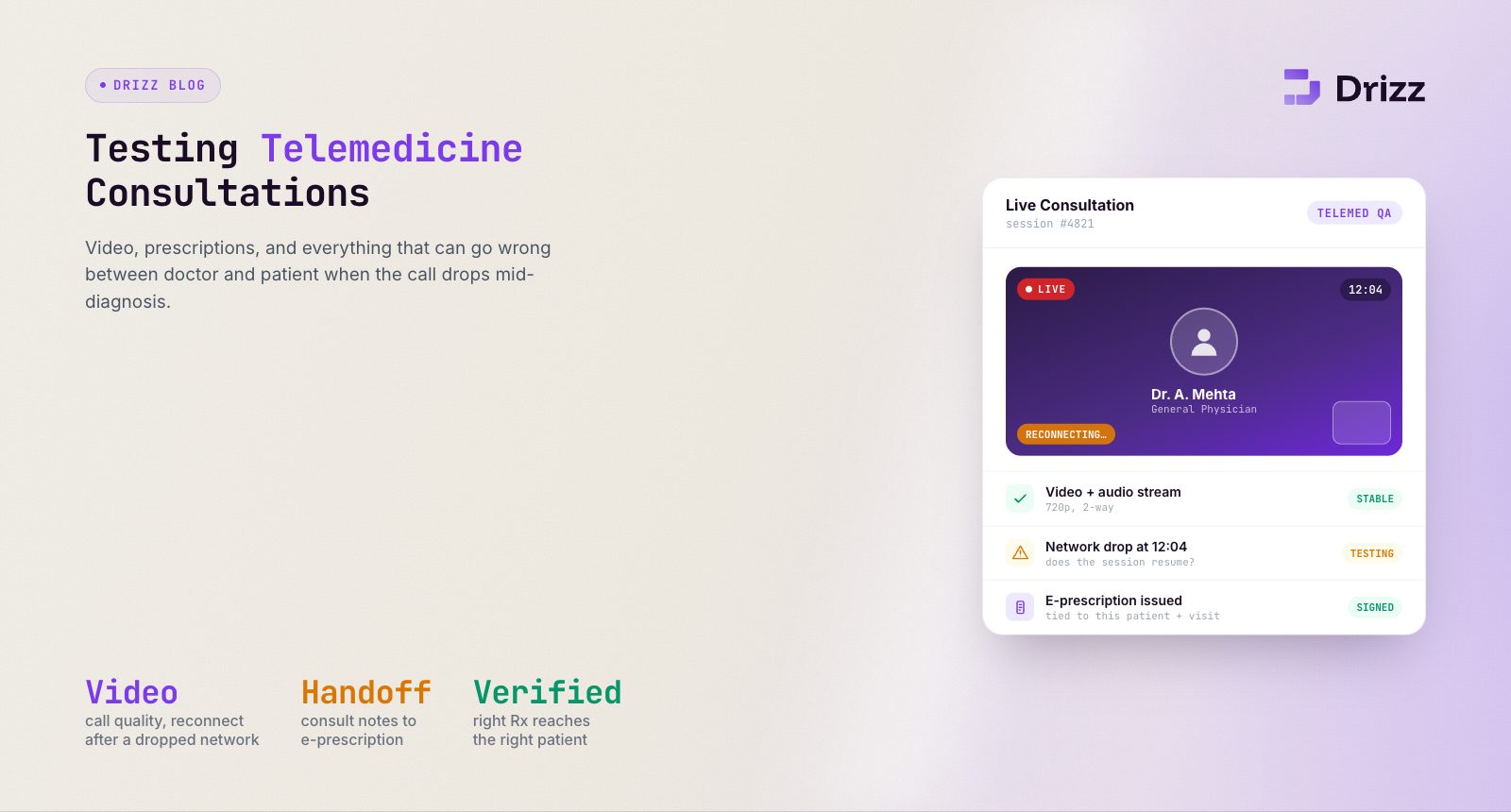
A teleconsult that doesn't produce a prescription is a failed clinical encounter. How to test video, permissions, fallback, and the critical handoff.
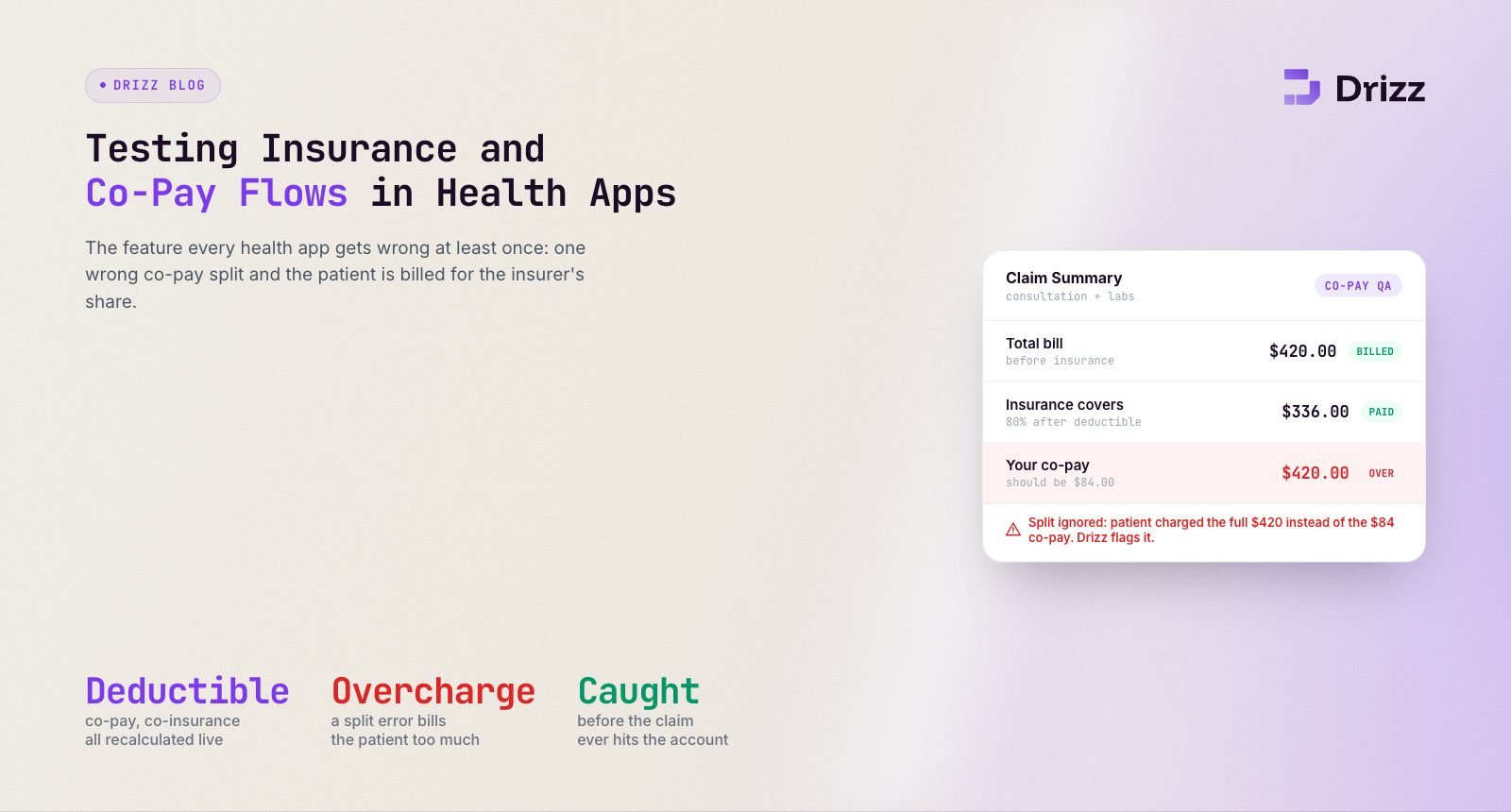
Co-pay shows 160 at booking, 320 at payment. Same appointment, two amounts. How to test the 6 stages of insurance flow so the numbers always match.
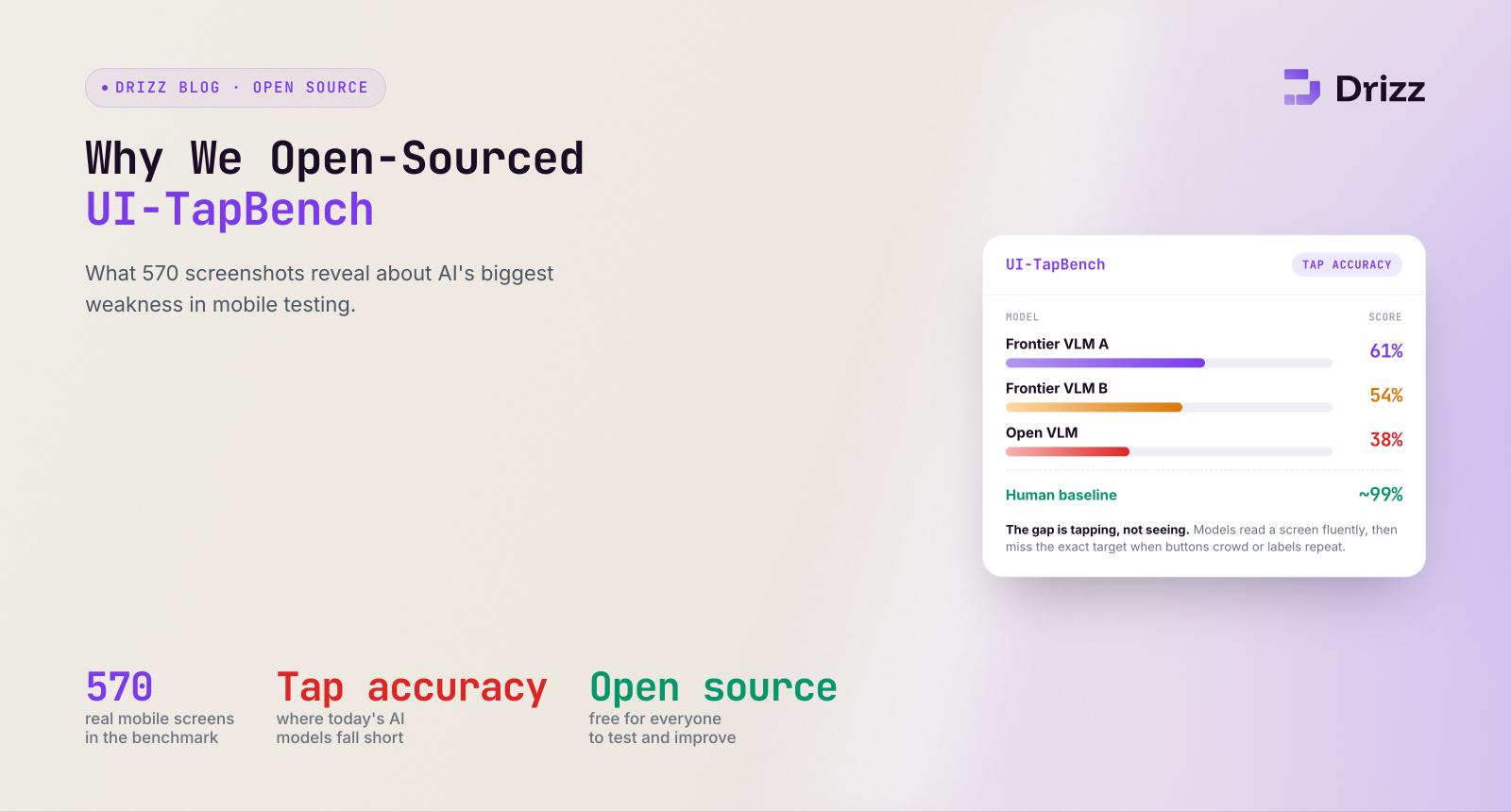
UI-TapBench exposes AI's biggest mobile testing gap. See why Drizz leads with 94.5% tap accuracy across 570 real app screenshots.
Multilingual prescriptions fail in unexpected ways. Learn how Drizz catches truncation, RTL, font, and rendering issues before patients do.
Test data management (TDM) plans, masks, subsets, and provisions realistic datasets to non-production environments; so testers get the exact data they need while staying GDPR/HIPAA/CCPA-compliant. Complete guide to the six capabilities, the compliance rules, and the four leading enterprise TDM platforms.
Test case management tools organize what QA teams test, track who ran which test, and report on results. Complete guide to the four categories: Jira-native, standalone SaaS, enterprise, open-source with pricing, use cases, and honest limits for every leading option
A lab report showing "Abnormal" without context causes patient panic. Drizz validates values, ranges, flags, and guidance render together on every build.
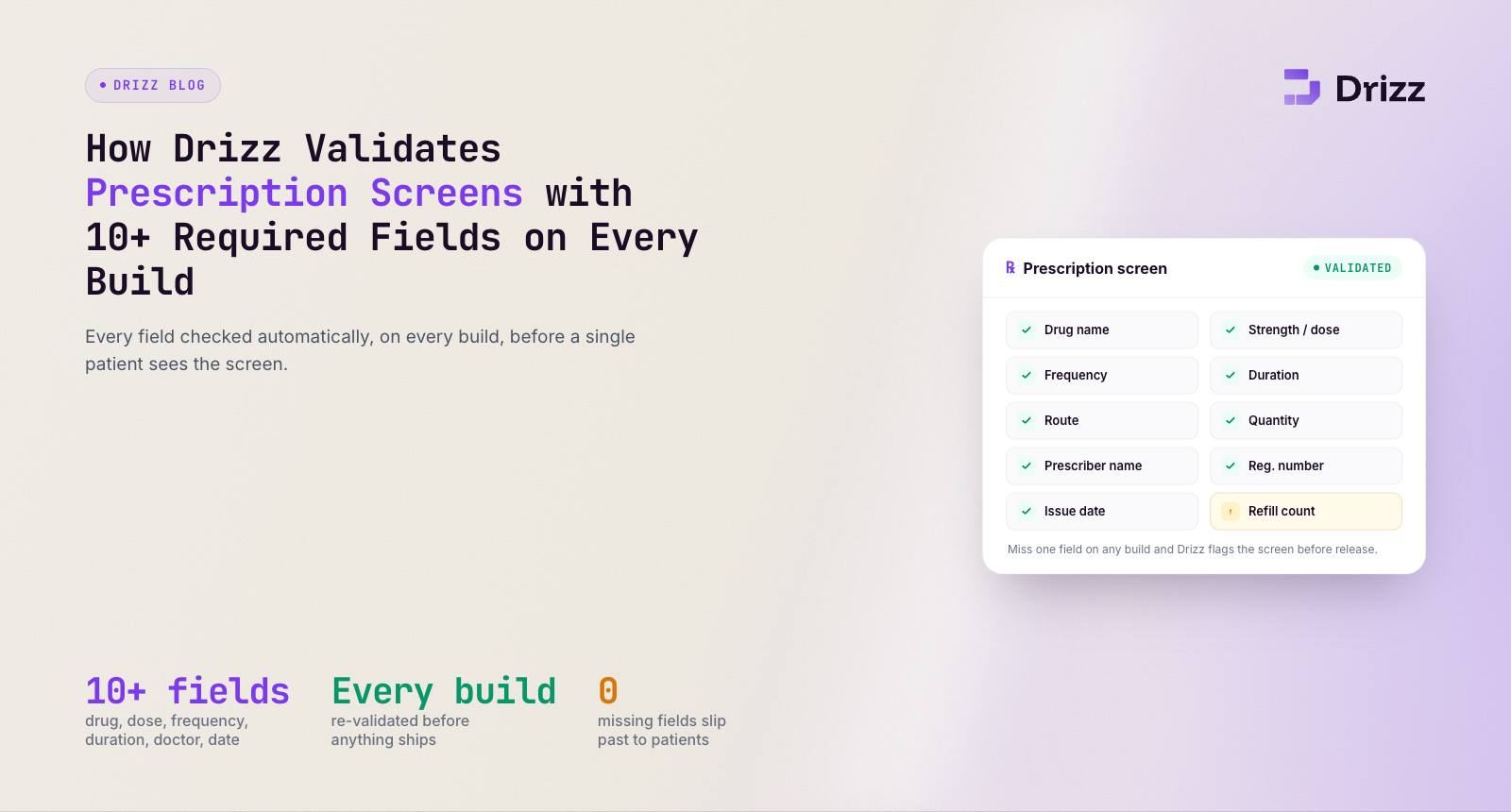
A prescription missing one field is a legal violation. Drizz reads all 10+ required fields visually on every build, every device. No selectors needed.


%201.avif)


%203.avif)

















.jpg)
.jpg)